 3-hour walking tour
Uncover the hidden side of Ancient Rome on a guided walking tour through remarkable monuments. Discover how politics, architecture and water shaped one of history's greatest civilizations.
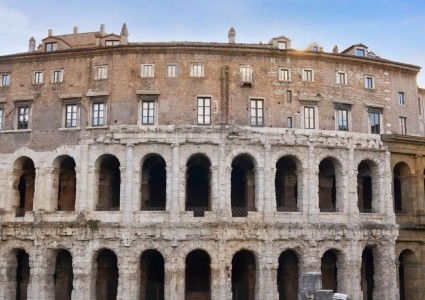
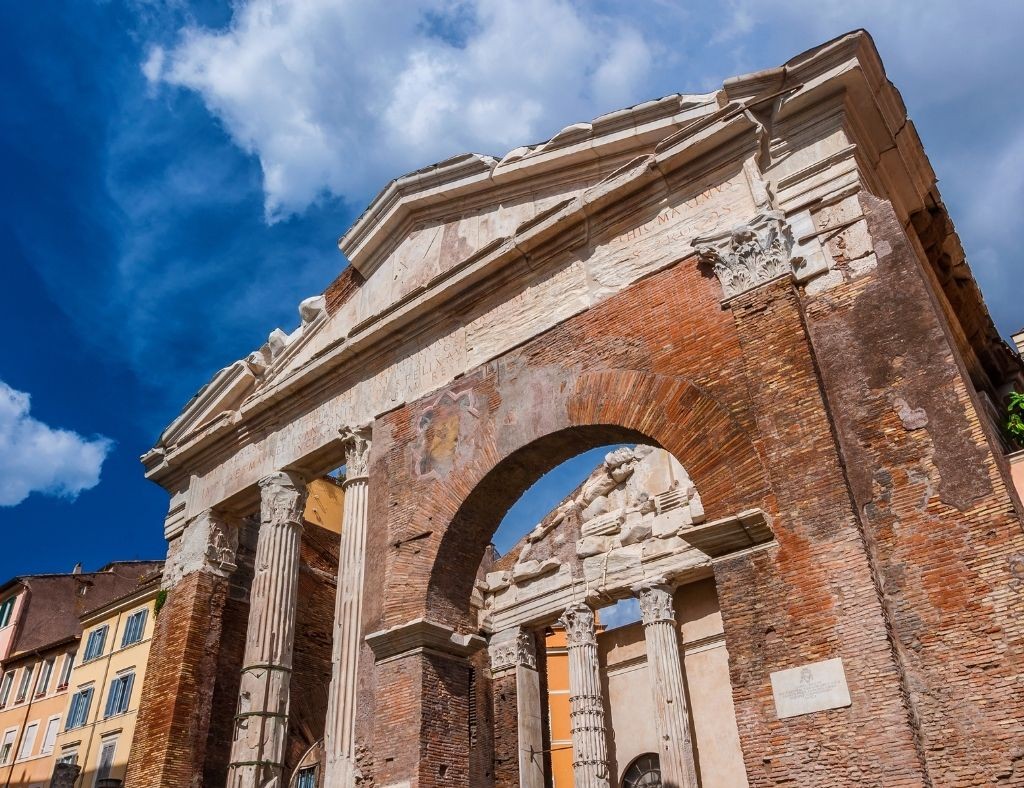
Begin your journey at the Theatre of Marcellus, where Emperor Augustus transformed entertainment into a powerful instrument of political influence. As you stroll through the elegant Portico of Octavia, discover how architecture, religion and public life were carefully intertwined to celebrate the glory of Imperial Rome. Continue to Largo Argentina, home to some of Rome's oldest temples, where you'll step back into the final days of the Roman Republic and relive the dramatic events surrounding the assassination of Julius Caesar.
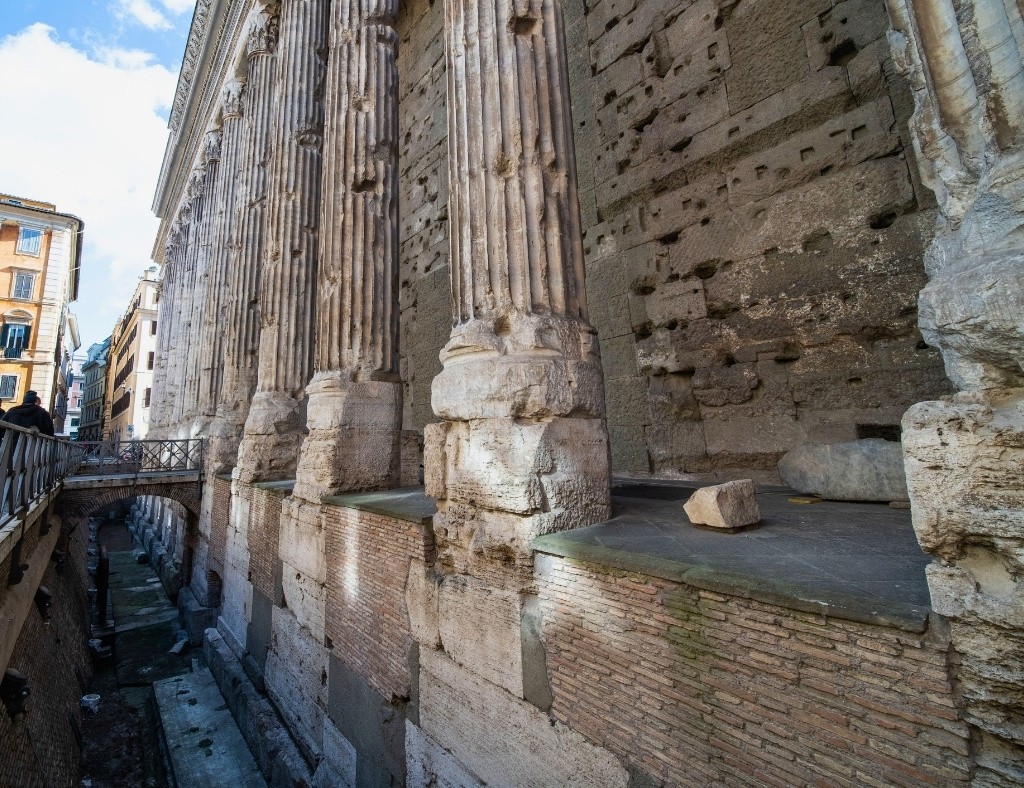
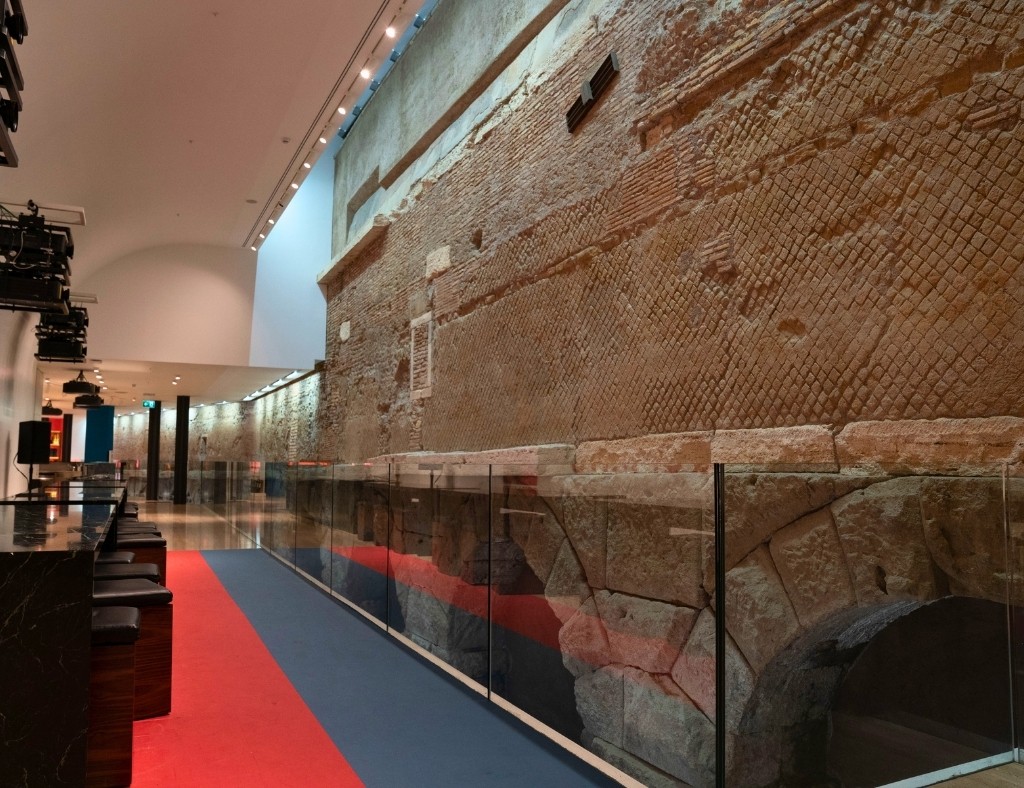
Admire the remains of the Temple of Hadrian, where the enduring legacy of an emperor lives on through monumental architecture, embodying the confidence, stability and power of Imperial Rome. End your experience beneath La Rinascente, where the ancient Aqua Virgo Aqueduct still flows after more than 2,000 years. This extraordinary engineering masterpiece supplied baths, fountains, gardens and entire neighbourhoods, revealing that Rome's greatest strength lay not only in its magnificent monuments, but also in the hidden network of water that sustained life throughout the Eternal City.

Some of the most representative pictures of this tour

Discover the main stops of this tour
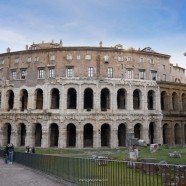
This famous open-air theatre was built in the closing years of the Roman Republic and was the largest and most important theatre in Ancient Rome. Begun by Julius Caesar, it was completed by Augustus in 13 BC with a dedication to Augustus’s nephew, Marcus Claudius Marcellus. Estimates of the theatre’s seating capacity range from 11,000 to 40,000.
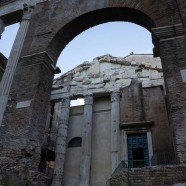
Used as a fish market from the medieval period up to the end of 19th century, the structure was built by Augustus in the name of his sister, Octavia Minor, in place of the Porticus Metelli. The Porticus Octaviae, which lies in rione Sant'Angelo, now represents the center of the Roman Quarter.
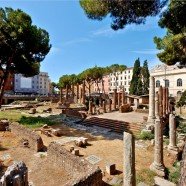
Largo Argentina preserves the remains of four ancient Roman temples, built between the 4th and 1st centuries BC. The site also includes the Curia of Pompey, where Julius Caesar was assassinated by conspirators led by Brutus and Cassius on March 15, 44 BC.
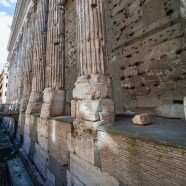
The Temple of Hadrian was erected in 145 AD by his son and successor Antoninus Pius in honour of the deified emperor. Of its 13 imposing Corinthian columns, almost 15 metres high, eleven still stand today along Piazza di Pietra.
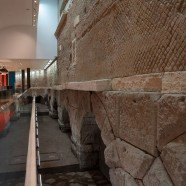
The Aqua Virgo - whose name is thought to be derived from the purity and clarity of the water - was one of the eleven Roman aqueducts that supplied the city of ancient Rome. It was completed in 19 B.C. by Augustus’ son-in-law, M.V. Agrippa, and some parts of it can be visited, like the 60m stretch of the aqueduct arches recently found in the basement of the ‘Rinascente’ department store.

Some useful information for your experience
Expert and licensed guide, full on-site assistance, sterilized earphones (from 5 people upwards).
Suggested start time: 9.00 am.
 Italiano
 English